
Cataract Surgery: Which is the better lens, Multifocal or Monofocal?
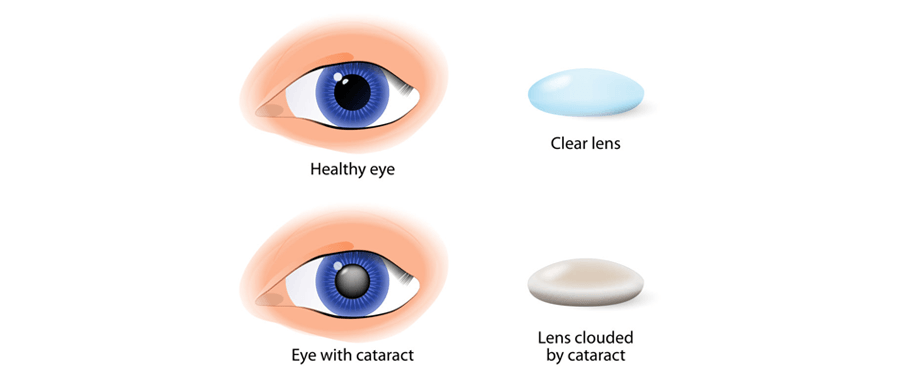
More than 24 million Americans age 40 and older have cataracts, according to the National Eye Institute. Cataract surgery is one of the most common surgeries in the country. It can sound intimidating, but it’s a quick outpatient procedure: most patients go home the same day, and the surgery itself usually takes less than 30 minutes. In this post, we’ll go over the lenses available at our office and the pros and cons of each.
The Different Lens Options
Your eye has a natural lens behind the iris that focuses light. As we age, proteins in that lens break down and clump together, making it cloudy. That cloudy lens is a cataract. The only way to treat a cataract is to remove the cloudy lens and replace it with a clear artificial one called an intraocular lens (IOL). The new lens is permanent, and you won’t feel it in your eye.
The lens you choose affects how much you’ll rely on glasses after surgery. Depending on the lens, it can correct nearsightedness, farsightedness, astigmatism, or the age-related loss of near vision (presbyopia). The two main types are monofocal and multifocal. If you have astigmatism, either type is available in a toric version that corrects it.
What is a Monofocal Lens?
A monofocal lens focuses at one distance, usually far. Most patients see clearly at a distance after surgery but need glasses for reading and computer work. Medicare and most insurance plans cover cataract surgery with a monofocal lens, though your usual deductible applies.
You don’t have to wait for a cataract to get “ripe” before having surgery. Insurance generally covers it once the cataract starts to interfere with daily activities like reading, driving, or seeing at night.
Pros:
- Covered by Medicare and most insurance plans
- Sharp, high-contrast vision at the distance it’s set for
- A good option for almost every patient
Cons:
- Focuses at only one distance
- You’ll likely need glasses for reading and close-up work
What is a Multifocal Lens?
A multifocal lens focuses at more than one distance, so you can see far, near, and often in between. It works on a similar idea to bifocal or progressive glasses. Many patients rarely need glasses afterward. Insurance doesn’t cover the added cost of a multifocal lens, so you’ll pay the difference out of pocket. Not everyone is a good candidate, and your doctor will go over whether it’s right for your eyes at your consultation.
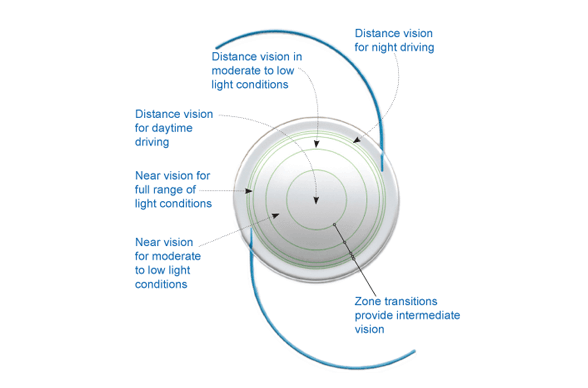
Pros:
- Clear vision at more than one distance
- Less need for glasses
- Available in toric versions to correct astigmatism
Cons:
- Not covered by insurance
- Not everyone is a candidate
- Some people see halos or glare around lights at night, which can make night driving harder
- Contrast may be slightly lower than with a monofocal lens
- You may still need readers for very small print or dim light
Which IOL is Best?
The right lens depends on how you use your eyes and what matters most to you. Before your cataract consultation, we’ll send you information about cataracts and lens options, along with a short lifestyle questionnaire and information about your doctor. Your answers help your doctor recommend the lens that fits your needs.
To learn more, visit our cataract page. You can also take our IOL Self-Test to get started.
IOL Self Test
Call us at 415-923-3007 or request an appointment online.


