Cataract Surgery in San Francisco
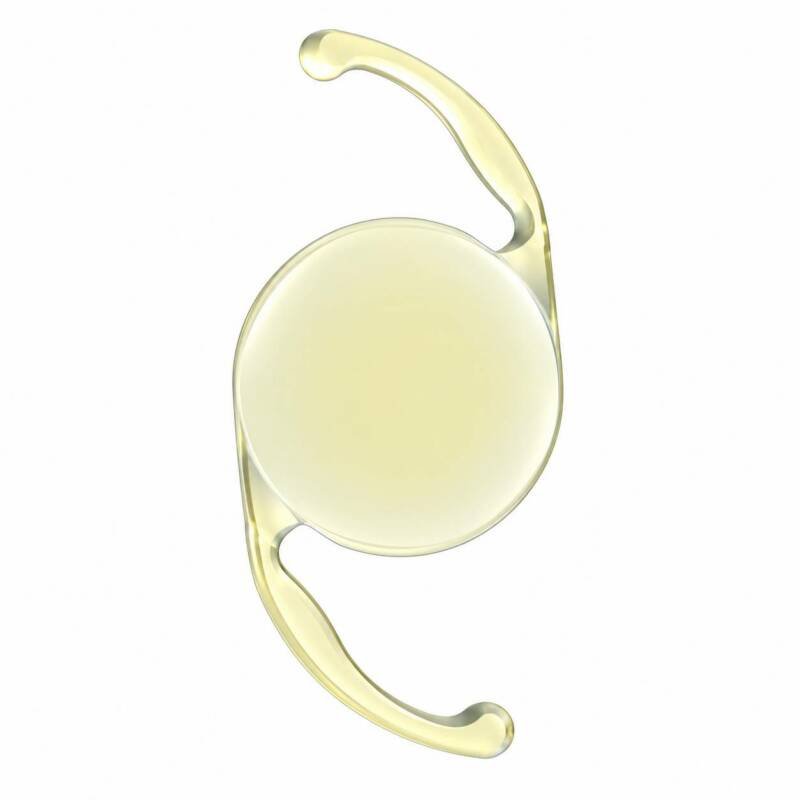
Cataracts are a normal part of aging. The eye’s natural lens slowly turns cloudy, and vision gets blurry, dim, or washed out. Cataract surgery replaces that lens with a clear artificial one, called an intraocular lens (IOL). The lens you choose shapes how you’ll see afterward.
Explore your options for clearer vision.
Our surgeons can check how far along your cataract is and walk you through which lenses fit your eyes.
In this Page
What Is a Cataract?
A cataract forms when the lens inside your eye loses its clarity. It usually happens slowly, so many people don’t notice how much their vision has changed until something specific gets hard. Common signs include:
- Blurry or cloudy vision
- Glare, halos, or trouble driving at night
- Colors that look faded or yellowed
- Needing more light to read
- Double vision in one eye
When to Consider Surgery
You don’t need to wait for a cataract to “ripen.” Surgery makes sense once your vision starts getting in the way: driving after dark, reading a menu, recognizing a face across the room, a hobby you’ve quietly stopped doing.
How Cataract Surgery Works
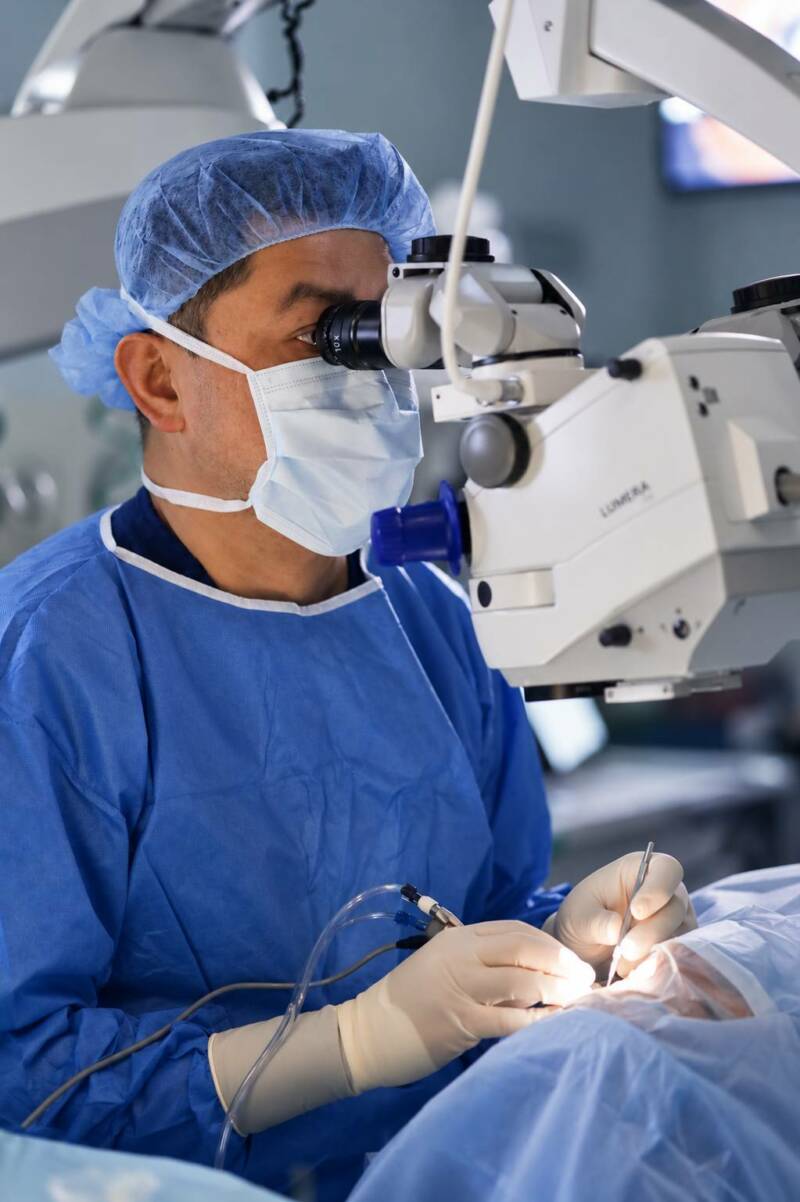
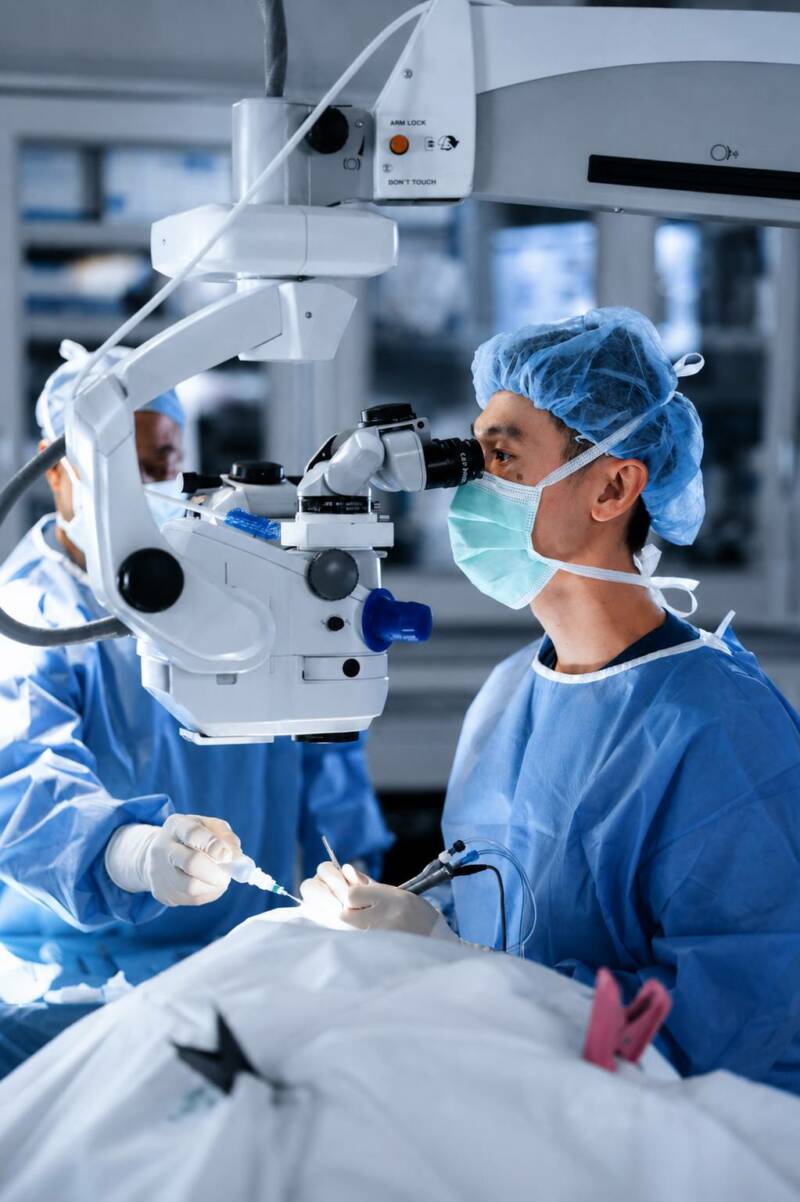
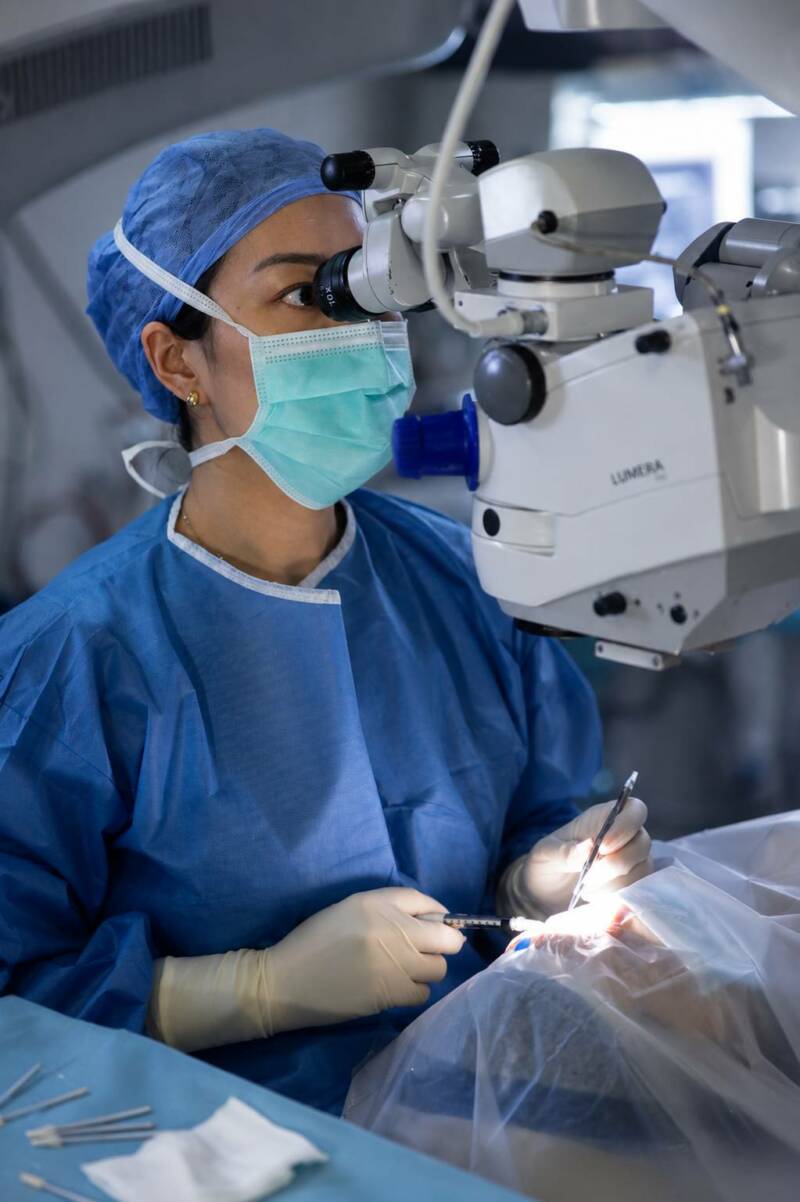
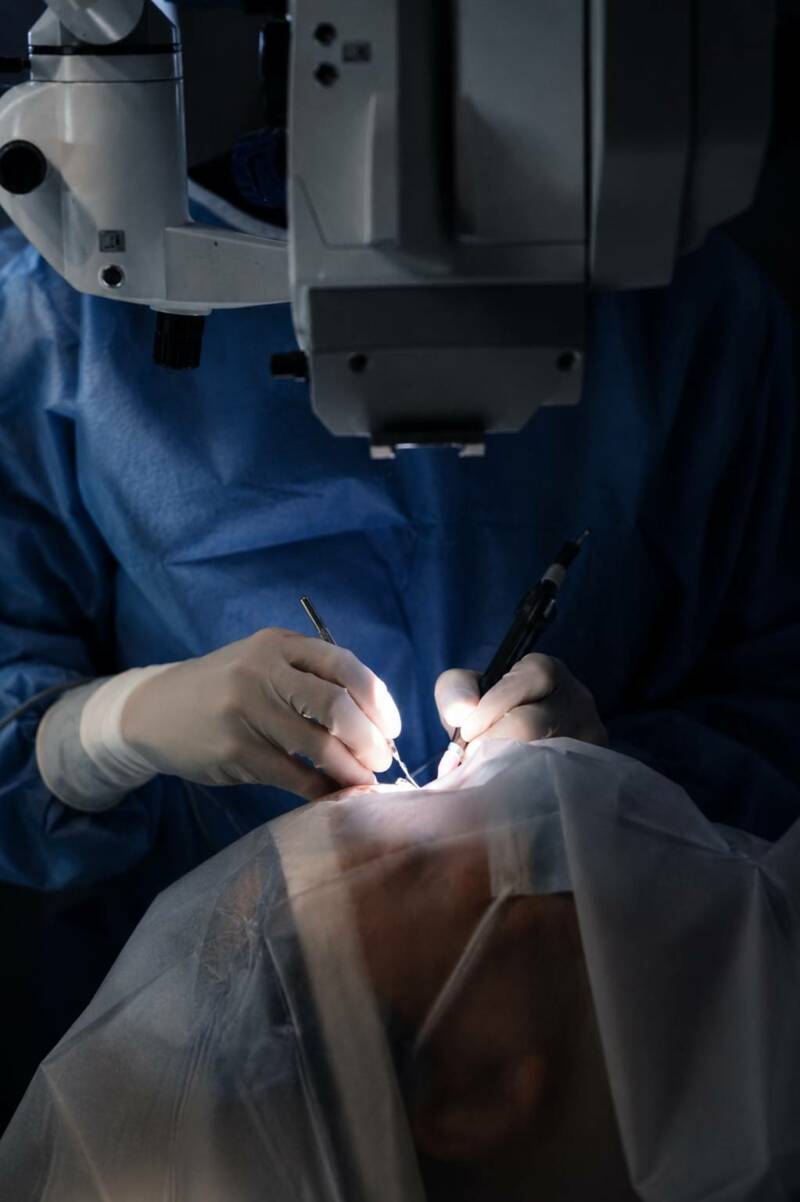
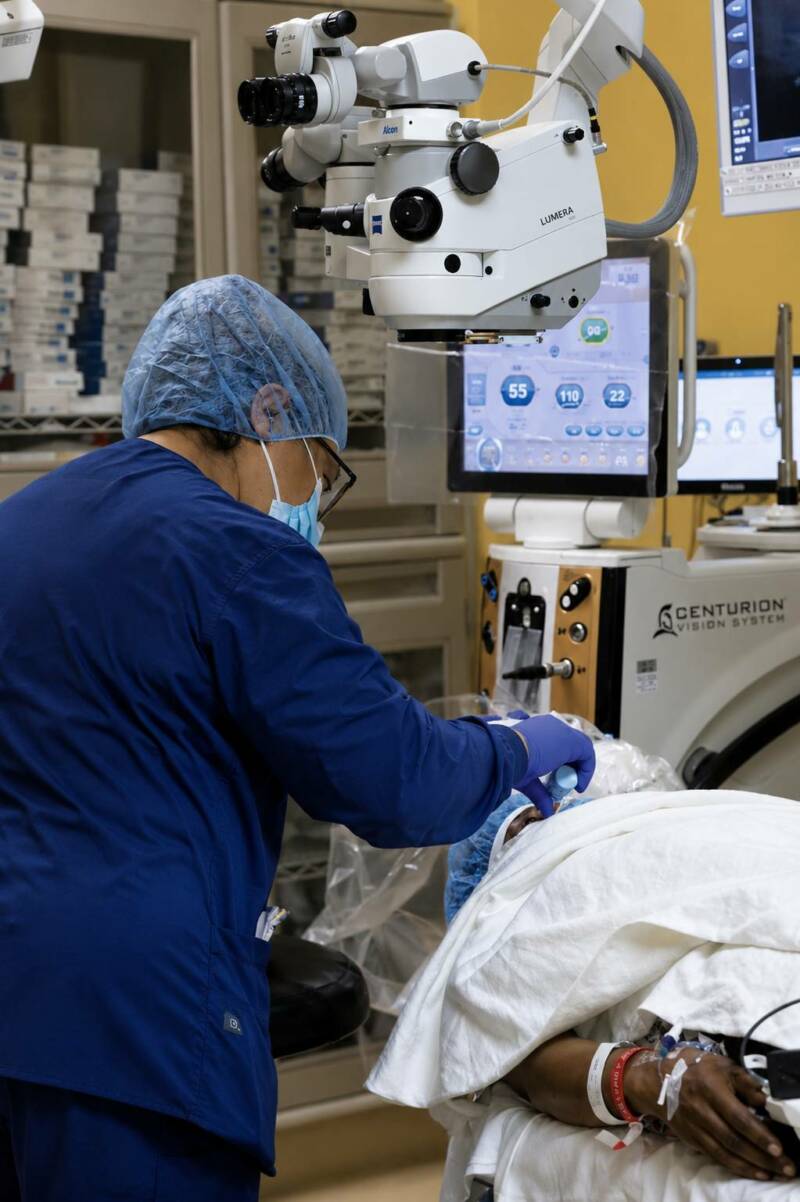
Surgery is the only way to remove a cataract. Most cataracts are removed with a technique called phacoemulsification: through a small incision, your surgeon breaks up the cloudy lens with ultrasound, removes it, and replaces it with an artificial lens called an intraocular lens (IOL). Your surgeon may also recommend optional technology, such as the LenSx® laser or ORA® System, depending on your eyes.


Choosing an Intraocular Lens (IOL)
This is the biggest decision you’ll make about cataract surgery. Every IOL clears the cloudiness. The differences are in which distances you’ll see well and how much you’ll still need glasses.

Monofocal
A monofocal lens provides vision at one distance, usually far. Most people still wear glasses for reading or computer work. Some choose monovision, with one eye set for distance and the other for near.
Toric
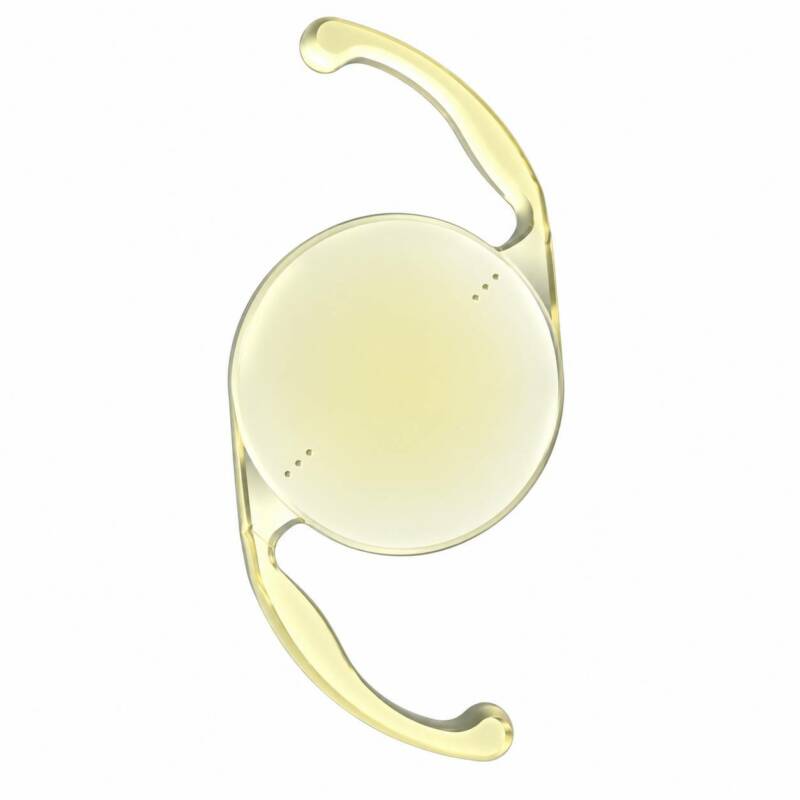
Toric lenses correct astigmatism along with the cataract. Without correction, astigmatism often means glasses afterward, even for distance. Available in monofocal and some premium lens designs.
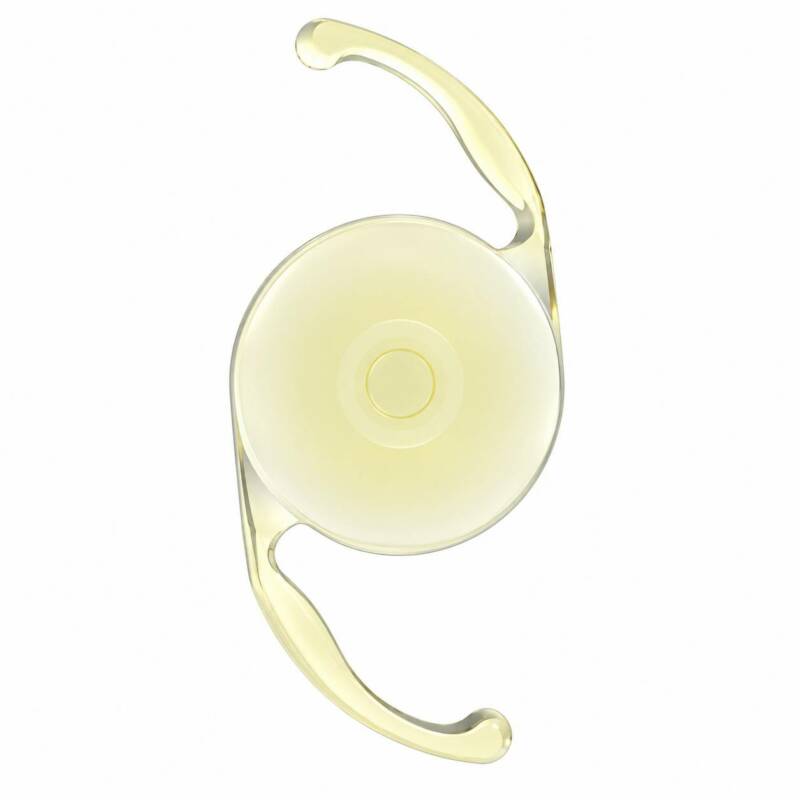
Extended Depth of Focus (EDOF)
EDOF lenses give a wider range of vision, from far away through arm's length, like driving or a computer screen. Our surgeons use the Vivity® lens by Alcon, which has fewer halos and glare than a multifocal.
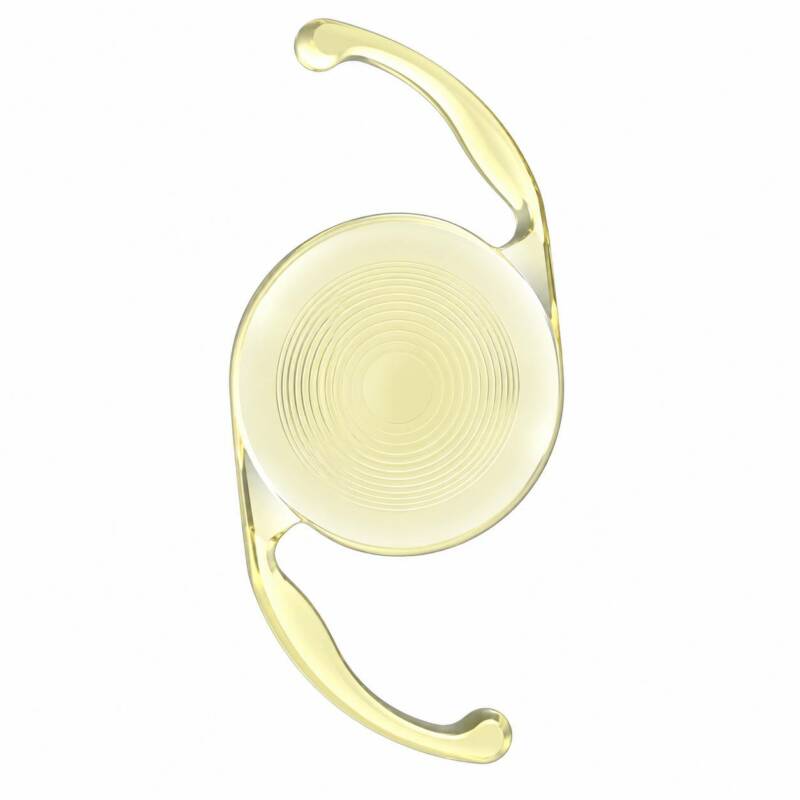
Multifocal
Multifocal lenses offer near, intermediate, and far vision for the most freedom from glasses. Our surgeons use the PanOptix® trifocal lens by Alcon. Some people notice halos around lights at night, especially at first.
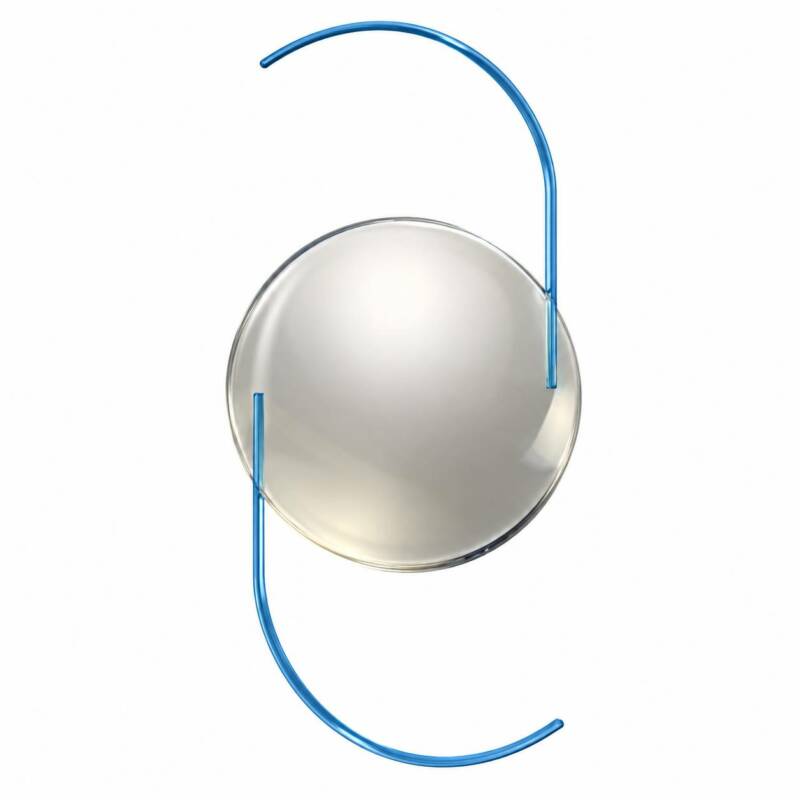
Light Adjustable Lens (LAL)
The Light Adjustable Lens® by RxSight is fine-tuned after your eye heals, through a few in-office UV light treatments, for a more precise result. It requires extra visits and UV-protective glasses for several weeks after surgery.
Still deciding?
Compare monofocal and multifocal lenses, including what insurance covers and how each one handles night vision.
Which Lens Is Right for Me?
There’s no single best lens. Your eye health and past eye surgery matter, and some conditions rule certain lenses out. If you want sharp distance vision and don’t mind readers, a monofocal may be all you need. If you’d rather go most of the day without glasses, an EDOF or multifocal lens is worth asking about.
Before your consultation, think about:
- How do you feel about wearing reading glasses?
- How much do you drive at night?
- Would halos around headlights bother you?
- Do you spend most of your day looking at a screen, a book, or something far away?
What to Expect at Your Cataract Consultation
Your surgeon will examine your eyes, check how advanced your cataract is, and take measurements to calculate your lens power. Then you’ll talk through your vision goals and which lenses fit them.
If you’ve had LASIK, PRK, or other refractive surgery, tell your surgeon. It changes how your lens power is calculated. If you still have records from that surgery, bring them.
Are cataracts affecting your vision?
Talk with one of our surgeons about your treatment and lens options.
Meet Our Cataract Surgeons
Our surgeons are all up to date with the latest technologies and operate at the Eye Surgery of San Francisco and CPMC – Van Ness.
Our Approach to Cataract Surgery
Our cataract surgeons also specialize in other parts of the eye, including the cornea and glaucoma. That matters when a cataract isn’t your only concern. Corneal conditions, past LASIK, and glaucoma can all change which lens is right for you and how your surgery is planned. Here, the surgeon handling your cataract also treats those conditions.
At your consultation, your surgeon will tell you which lenses suit your eyes, which ones don’t, and why.